
Starting an ABA clinic is exciting – but without cost-effective ABA practice management in place, even small inefficiencies can cost time, money, and growth opportunities. Most startups struggle to balance affordability with functionality, often patching together free tools that aren’t built for ABA.
But cost-effective ABA practice management doesn’t mean settling. It means choosing tools that streamline operations, prevent compliance risks, and help you grow intentionally – without breaking the bank.
Why Cost-Effective ABA Management Feels Expensive
Many startups assume full-featured ABA software is out of reach. That’s because many providers use pricing structures that look affordable up front, but include hidden costs like:
- Onboarding and setup fees
- Long-term contracts
- Per-user or per-location fees
- Upcharges for essential tools like billing, claims, or support
These pricing traps can cripple new clinics, making it harder to reinvest in staff, training, or marketing.

What Makes ABA Software Truly “Cost-Effective” for ABA Management ?
Affordable doesn’t mean minimal – it means value-driven.
A cost-effective ABA practice management platform should offer:
- No contracts – Freedom to adapt as your practice grows
- No onboarding or data migration fees – Easy transitions without surprise bills
- No minimum licenses – Pay only for what you use
- All-in-one features – From scheduling and billing to credential management, included from the start
These qualities reduce long-term operating costs and create a faster return on investment – critical for a new clinic with limited runway.
Core Features Every Startup Clinic Still Needs
Even small clinics need robust tools to stay compliant and efficient. Don’t cut corners on these:
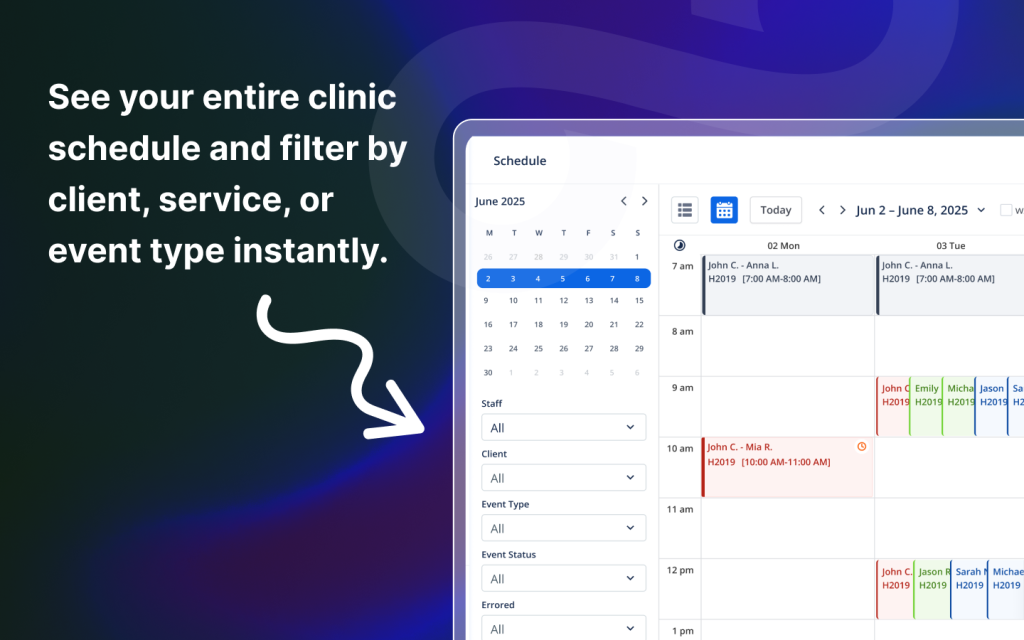
- Credential-based scheduling
Auto-blocks staff from being scheduled if licenses, CPR, or TB tests are expired. - Real-time authorization tracking
Prevents overscheduling or service over-delivery outside allowed CPT ranges. - Built-in billing and claims
Eliminates manual claim entry with direct clearinghouse submission and tracking. - Session documentation and digital notes
Secure notes, signatures, and time logs required before billing is allowed. - Role-based access
Protects data and ensures only trained staff handle critical workflows.
These aren’t “enterprise extras.” They’re essential to getting paid and staying out of compliance trouble.
Scaling Cost-Effective ABA Management Without Adding Overhead
Growth often brings new complexity – but it shouldn’t demand new software.
Look for systems that support:
- Easy expansion to more clients and staff
- Onboarding with guided workflows and access control
- Built-in alerts for credential expirations
- Automated billing for increased session volume
- Transparent pricing that scales without friction
If your software can’t grow with you, it’s not cost-effective – it’s a future liability.
Case Study: Doing More with Less
A new ABA clinic with five staff and 30 clients tried to run operations with spreadsheets, Google Calendar, and a third-party invoice tool.
The outcome?
- 20% of sessions missed documentation
- Staff scheduled while credentials were expired
- Multiple claims denied for authorization mismatches
After switching to an ABA-specific platform:
- Denials dropped by 50%
- Admin time was cut by over 12 hours/week
- The team focused on clinical quality — not administrative cleanup
Software built for ABA practice management saved the clinic money, time, and their first-year reputation.
How to Evaluate Value Over Price
Before buying into any ABA tool, ask:
- Does it enforce credential and billing compliance in real time?
- Are all core features (like claims and scheduling) included?
- Will it eliminate admin hours, or add more complexity?
- Are there any hidden costs tied to support, upgrades, or licenses?
Cost-effective software should feel like a partner – not another overhead line item.
Conclusion
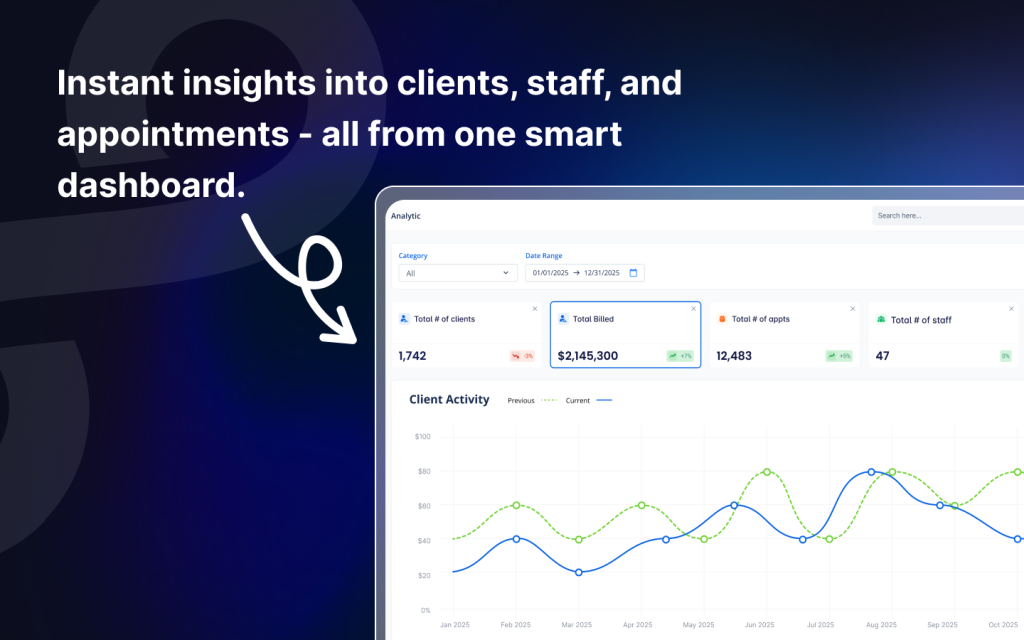
Cost-effective ABA practice management isn’t about getting the cheapest tool. It’s about choosing a platform that reduces risk, automates your compliance, and grows with you – without tacking on fees.
Startups deserve software that simplifies – not complicates – clinic operations. And that’s what smart, ABA-specific platforms are built to do.
FAQs
1. Can affordable software still be reliable?
Yes – platforms like TherapyLake include core features like billing, credentialing, and documentation without upcharges.
2. What’s the risk of using free or generic tools?
Lack of ABA-specific rules often leads to billing errors, compliance risks, and manual cleanup that wastes time and costs revenue.
3. What features should be non-negotiable?
Credential-aware scheduling, automated billing, and real-time authorization tracking are must-haves for even the smallest clinics.
4. Is this scalable if we grow to 50+ clients?
Yes. Smart systems grow without bloated pricing or disruptive migrations.
5. Should startups prioritize infrastructure early?
Absolutely. Good infrastructure saves your team time, avoids denials, and protects your reputation from the beginning.
78betvip, hopped in for a quick look. Eh, the VIP perks are alright, but not life-changing. Could use an update to their website design, to be honest. Test your luck at 78betvip.
Alright, so I checked out r168bet recently. Pretty straightforward to use, and they seem to have a decent selection of games. Nothing too fancy, but it gets the job done. You can find it here: r168bet
Heard some buzz about kubet11tax. Jumped on to take a look and the site loads fast, which is a massive plus. Could use a little design touch ups, but overall not bad! Give it a go: kubet11tax
Film app gratis es perfecta para disfrutar películas sin pagar dinero. Ofrece muchas opciones y funciona bien en la mayoría de dispositivos. Es fácil de usar y no requiere registro complicado. Solo abre la app y empieza a ver contenido de forma rápida.
The puzzles in Math Bros are challenging but never frustrating. 9050bba9.
Most of these ABA platforms charge way too much for features we don’t even use.
Per-user fees are a total trap when you’re just trying to scale a new clinic.
This article hits the nail on the head! As a startup founder, balancing functionality and affordability in ABA practice management is a constant challenge. The insights on hidden costs and what truly makes software “cost-effective” are incredibly valuable. It’s inspiring to see a focus on intentional growth without sacrificing financial stability. I appreciate the clear breakdown of what to look for in a platform. This kind of practical advice is essential for new clinics. I also found it interesting to reflect on how principles of smart financial planning, not just for practice management but for things like managing investments and loans, can be aided by tools such as a BA II Plus Financial Calculator.
The 1RM Calculator helps keep training intensity safe and productive. 1ec98edc.
This is such an insightful post for ABA startups! It perfectly highlights the hidden pitfalls in practice management software pricing and what “cost-effective” truly means – value, not just low upfront cost. The emphasis on no contracts and all-in-one features resonates deeply, as balancing affordability with functionality is crucial. Thanks for shedding light on these critical points for growing clinics! I always appreciate finding resources that truly help, just like those on Block Poster.
This is an incredibly insightful post for any ABA startup! The distinction between “affordable” and “cost-effective” is crucial, and you’ve highlighted the common pitfalls of hidden fees beautifully. Focusing on value-driven platforms with no contracts or extra charges for essential features truly empowers new clinics to grow sustainably. It really makes you rethink how to approach practice management solutions, especially when considering integrating digital tools. This resource reminds me of how important streamlined workflows are, something we often emphasize at Image to Line. Thanks for sharing these vital tips!
This is such a crucial topic for ABA startups! It’s easy to get caught up in the excitement of launching, but neglecting cost-effective practice management can indeed lead to major headaches down the line. I especially appreciate the breakdown of hidden costs and what *truly* makes ABA software cost-effective – focusing on value and transparency rather than just a low upfront price. For any startup, understanding these nuances is as important as, say, accurately calculating the space you’ll need, which reminds me of how useful a tool like a square feet calculator can be for planning your physical clinic layout. Thanks for these invaluable insights!
This is an incredibly insightful breakdown for ABA startups! It’s so true that initial excitement can quickly turn into financial strain if you’re not savvy about practice management solutions. The article really highlights the hidden costs that can cripple new clinics, and I especially appreciate the focus on what truly makes ABA software “cost-effective” – not just cheap, but value-driven with no hidden fees. This advice about seeking freedom from contracts and transparent pricing for essential features is gold. It’s a smart approach to building a sustainable practice, just like making sure you choose the right tools for your creative projects, whether it’s for business or for fun, you can even find innovative options to Text To Cartoon Video. Thanks for sharing these crucial tips!
This is such a crucial read for anyone starting an ABA clinic! The point about hidden costs in ABA software really resonates. It’s so easy to get drawn in by low upfront prices only to be hit with unexpected fees later. Focusing on true value, with no hidden charges or long contracts, is definitely the way to go for sustainable growth. It reminds me of how important it is to calculate the true long-term cost of any investment, much like one would use a TVM Calculator for financial planning. Thanks for highlighting these common pitfalls!
This is such a crucial topic for ABA startups! It’s so easy to get caught up in the excitement and overlook these hidden costs. Your points on transparent pricing and avoiding unnecessary fees are spot on. Focusing on value-driven solutions rather than just “cheap” ones really resonated with me. This advice could genuinely save new clinics a lot of headaches and help them thrive financially. It reminds me of how important it is to plan ahead and utilize tools like a Savings Calculator to make informed decisions from the start.
Wow, didn’t realize starting an ABA clinic would be such a rollercoaster of administrative chaos! I mean, between credential checks and billing, it sounds like a game of Jenga where every wrong move means lawsuits instead of a fun night out. 😂 On that note, if you’re looking for some chill tunes while you tackle those spreadsheets, check out this Lofi Converter. Because let’s be honest, you’ll need background music for your anxiety, right?
Starting an ABA clinic is like planting a garden; it takes nurturing and the right tools to flourish. I remember when I started, I stumbled through numerous hurdles, thinking that the costs of good management software were beyond my reach. But, you know, investing in a solid platform not only saves time in the long run but really helps minimize those common pitfalls we all fear. Have you had similar experiences? By the way, if you’re exploring creative ways to enhance your practice, check this out for some insightful options: Audio to MIDI Converter
The breakdown of hidden fees—like mandatory onboarding costs and long-term contracts—really highlights what startup clinics often overlook. It is tempting to string together generic tools to save money, but the time lost on administrative work and compliance risks usually costs more in the long run. Focusing on transparent, value-driven practice management with flexible terms is definitely the smarter approach for early-stage clinics trying to protect their cash flow.